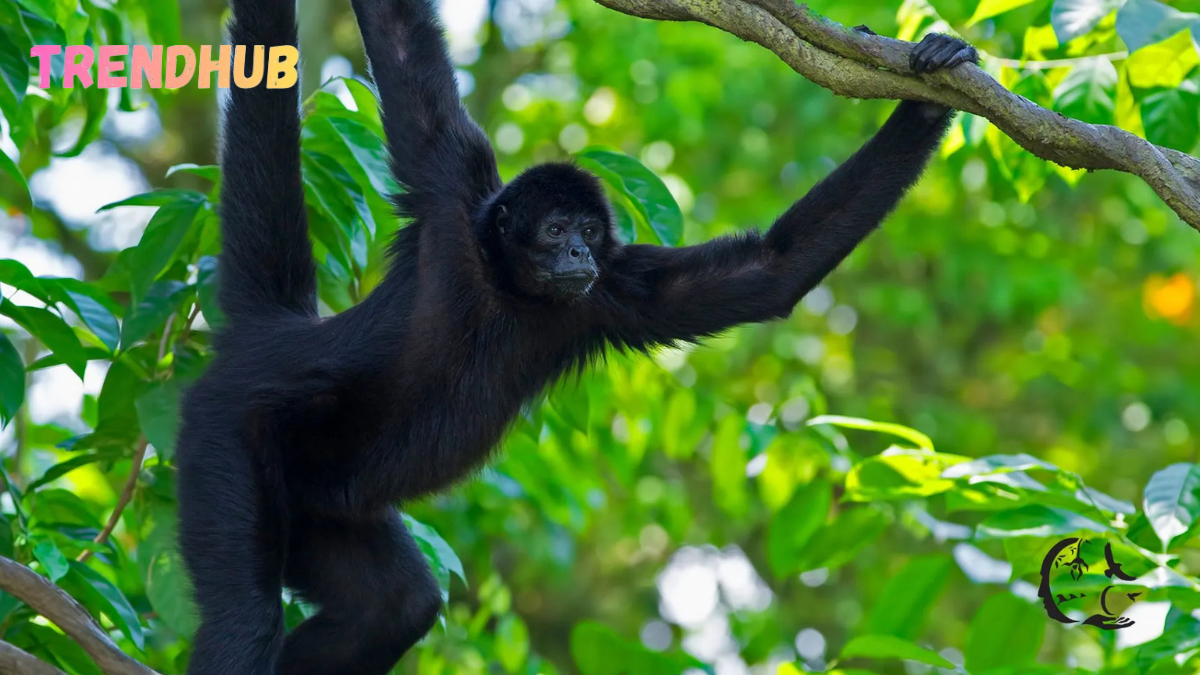
Characteristics of the Spider Monkey
The spider monkey is one of the largest New World monkeys, known for its distinct physical features. They possess long, thin arms and hook-like hands, which enable them to swing gracefully among the trees of their rainforest habitat. Unlike many primates, spider monkeys do not have opposable thumbs, making their adaptations particularly interesting for researchers studying primate locomotion.
Habitat and Distribution of Spider Monkeys
Spider monkeys primarily inhabit the upper layers of tropical rainforests in Central and South America. They are often found in countries such as Colombia, Ecuador, and Panama, where they thrive in the high canopy, foraging for food among the branches. Their ability to live in such elevated environments makes them well-suited for a life of canopy foraging.
Diet and Feeding Habits of Spider Monkeys
The diet of the spider monkey mainly consists of fruits and seeds. Their foraging habits reflect their role in the ecosystem, as they help in seed dispersal. This behavior is crucial for maintaining the health of their rainforest habitat, as it contributes to the growth of various plant species.
Social Structure of Spider Monkeys
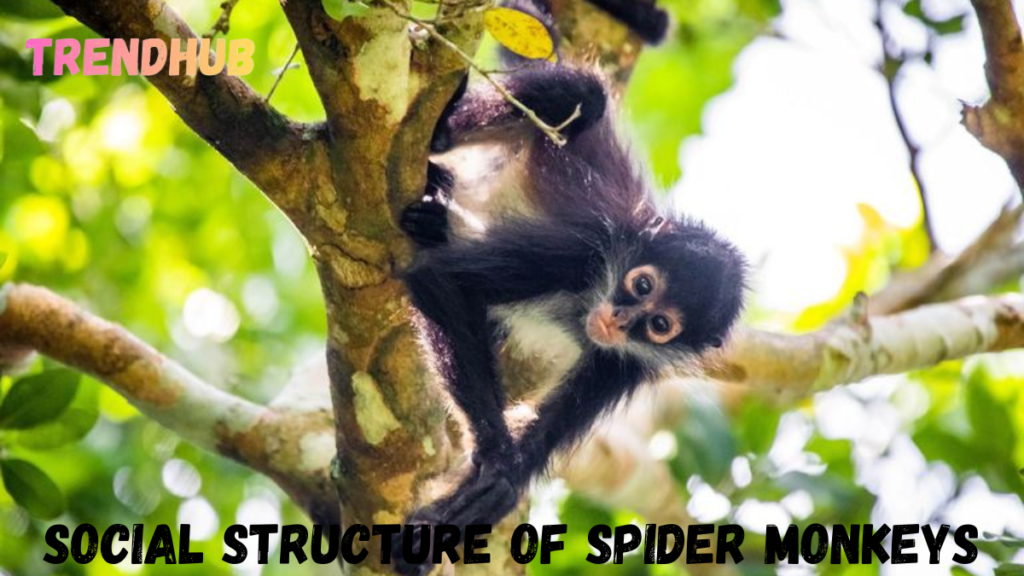
Spider monkeys exhibit a complex social structure that includes living in troops. These groups typically range from 10 to 30 individuals, showcasing a social dynamic that is both intricate and fascinating. Their social interactions often revolve around grooming and playing, which serve to strengthen bonds among troop members.
Conservation Status of Spider Monkeys
Many species of spider monkeys are currently classified as endangered. Habitat loss due to deforestation and human encroachment poses significant threats to their populations. Conservation efforts are crucial to protect these unique primates and their rainforest environments, raising awareness about their plight among local and global communities.
Behavioral Traits of Spider Monkeys
Spider monkeys are known for their playful nature, often engaging in acrobatic displays while moving through the trees. Their social behaviors, including vocal communications, are essential for maintaining connections within their troops. However, they can also exhibit aggressive behavior if threatened or during territorial disputes.
Frequently Asked Questions
Can a spider monkey be a pet?
No verified answer is available regarding keeping spider monkeys as pets.
Are spider monkeys friendly to humans?
No verified answer is available about the friendliness of spider monkeys toward humans.
Is spider monkey aggressive?
No verified answer is available regarding the aggressiveness of spider monkeys.
Why is it called a spider monkey?
No verified answer is available about the origin of the spider monkey’s name.
What is the lifespan of a spider monkey in captivity?
The lifespan of spider monkeys in captivity can vary, but many live longer than those in the wild due to the absence of threats and availability of food.
What do spider monkeys eat?
Spider monkeys primarily eat a diet of fruits and seeds, which plays a significant role in their habitat’s ecosystem.
Spider monkeys are remarkable animals that play a vital role in their ecosystems. Their unique features, social behaviors, and conservation status highlight the need for continued efforts to protect these incredible primates and their environments.
Next Read: glorvix com us