What is Food Technology?
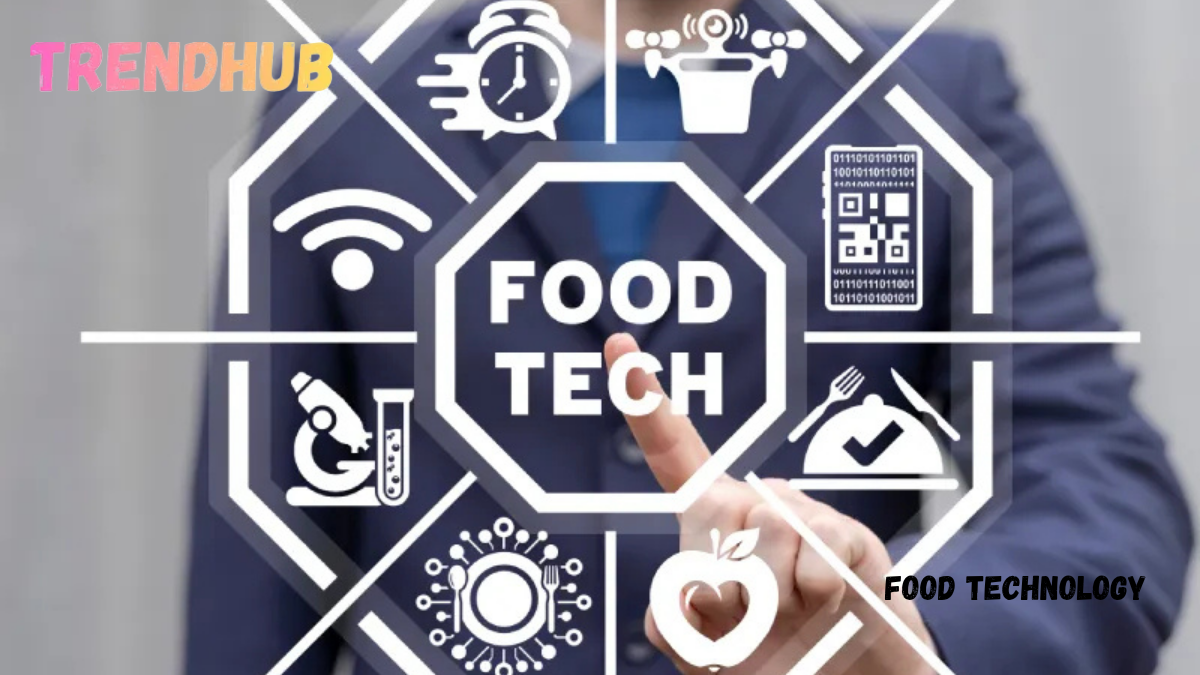
Food technology is a branch of food science that focuses on the production, preservation, quality control, and research and development of food products. It utilizes scientific knowledge to create innovative solutions for food challenges, such as sustainability and safety. Food technology encompasses various processes and techniques, including biotechnology in food, food preservation techniques, and packaging innovations.
The Role of Food Technology in the Global Food System
Food technology plays a critical role in the global food system by exploring the intersection of business, science, and technology. This discipline addresses pressing issues like food waste, resource scarcity, and the environmental impact of food production. By enhancing food supply chain management and implementing sustainable food practices, food technology contributes significantly to food security and public health.
Applications of Food Technology in Food Production
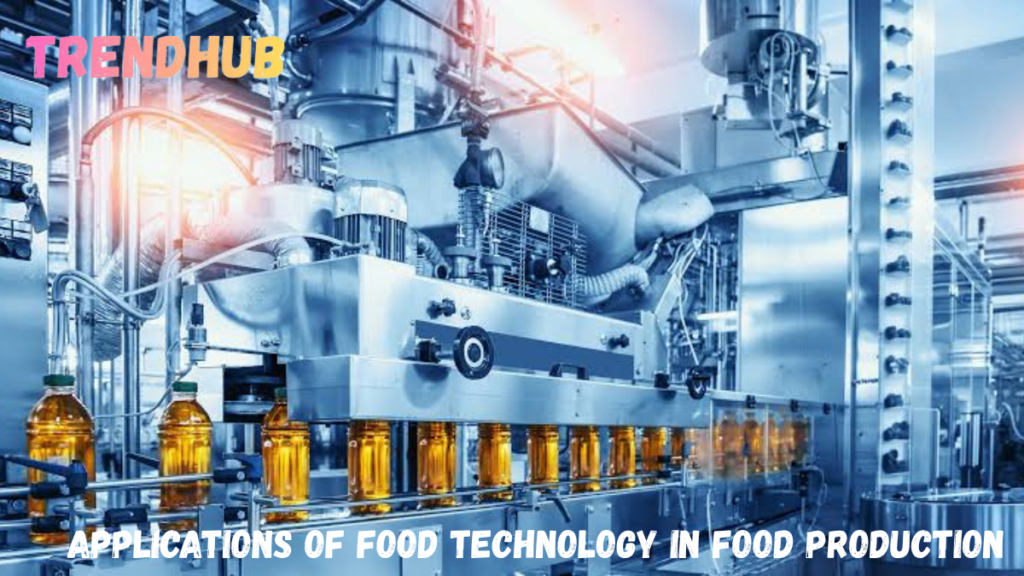
Food technology applications span a broad range of areas within food production. Techniques such as sensory evaluation of food help determine consumer preferences, while nutritional analysis methods ensure that food products meet health standards. Food engineering principles guide the design and optimization of food processing methods, enhancing efficiency and safety in production lines.
Food Safety Regulations and Quality Control
Food safety regulations are paramount in maintaining consumer trust and public health. Food technology ensures compliance with these regulations through quality control in food production. This involves rigorous testing and monitoring to identify potential hazards and ensure that food products are safe for consumption. Quality assurance processes are vital for maintaining high standards throughout the production cycle.
Emerging Trends in Food Technology
Emerging food trends are shaping the future of food technology. Innovations such as 3D food printing technology are revolutionizing how food products are created and presented, offering new possibilities in customization and nutrition. Culinary science advancements are leading to novel food experiences that cater to health-conscious consumers, while food chemistry research continues to uncover new insights into flavor and preservation.
Food Technology Careers and Education
Careers in food technology are diverse and increasingly in demand. Professionals in this field typically have backgrounds in food science, engineering, and nutrition. Educational programs offer qualifications such as a food technology degree or diploma, equipping students with essential skills in chemistry, microbiology, and quality assurance. These competencies are critical for addressing the challenges faced by the food industry today.
Frequently Asked Questions
What are the key components of food technology?
Key components of food technology include food production, preservation, quality control, and research and development. These areas focus on utilizing scientific principles to improve food products and processes.
What are some examples of food technology?
Examples of food technology include 3D food printing, biotechnology applications in food production, and innovative packaging solutions that enhance food preservation and safety.
What careers are available in food technology?
Careers in food technology include food scientists, quality assurance managers, food technologists, and food engineers. These roles focus on developing and improving food products and processes.
How does food technology ensure food safety?
Food technology ensures food safety through strict adherence to regulations and quality control measures. This includes monitoring production processes and conducting regular testing for contaminants.
What educational qualifications are needed for a career in food technology?
Educational qualifications for a career in food technology typically include a degree or diploma in food science, food technology, or related fields. Specialized training in food safety, quality assurance, and nutrition is also beneficial.
What is the future of food technology?
The future of food technology is likely to be driven by advancements in sustainable practices, innovative food processing methods, and the integration of technology in food production. Trends such as plant-based foods and personalized nutrition are expected to play significant roles.
Next Read: lego world map