Understanding Cytotechnology
Cytotechnology is an advanced allied health career that specializes in the study of cells to detect abnormalities, particularly cancer. Cytotechnologists, also known as cytologists, are laboratory professionals who perform microscopic examinations of cellular samples. Their role is critical in diagnosing diseases, as they evaluate cell samples to identify early signs of cancer and other pathologies.
Cytotechnologist Responsibilities
Cytotechnologists have a range of responsibilities that primarily involve the evaluation of cellular material. They analyze and interpret cellular changes caused by diseases, using advanced cellular analysis techniques. This includes performing diagnostic cytology, where they examine specimens of human tissue and fluid to detect cellular abnormalities. Their work is essential for accurate cancer detection methods, contributing significantly to patient diagnoses and treatment plans.
Education and Training in Cytotechnology
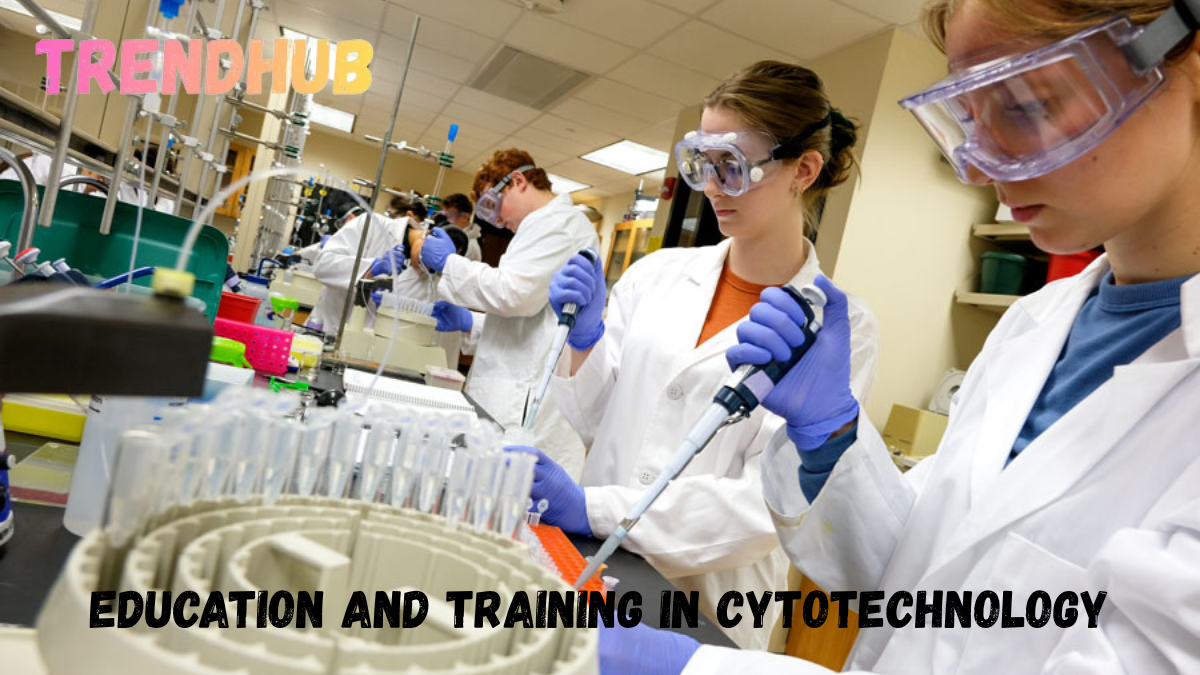
A career in cytotechnology typically requires specialized education. Cytotechnologists often complete a bachelor’s degree in clinical laboratory science or a related field, followed by an advanced certificate program in cytotechnology. The Advanced Certificate (AC) in Cytotechnology is a one-year, 26 credit, post-baccalaureate graduate program that equips students with the necessary skills to work in this field. Training includes a combination of classroom instruction and hands-on laboratory experience, focusing on microscopic examination skills and specimen processing procedures.
Cytotechnology Certification and Professional Organizations
Certification is an important step for cytotechnologists. Most states require cytotechnologists to be certified by a recognized professional organization. The American Society for Clinical Pathology (ASCP) offers certification exams for cytotechnologists, which assess knowledge and skills related to the field. Joining professional organizations is beneficial for networking and staying updated on advancements in cytotechnology and pathology and laboratory medicine.
Cytotechnology Job Outlook and Salary Expectations
The job outlook for cytotechnologists is positive, with a growing demand for skilled professionals in healthcare laboratories. As the population ages and the prevalence of diseases increases, the need for accurate diagnostic procedures continues to rise. Salary expectations for cytotechnologists can vary based on location and experience, but they are generally compensated well for their expertise in analyzing cell samples and detecting abnormalities.
Frequently Asked Questions
How many years does it take to become a cytotechnologist?
The length of time required to become a cytotechnologist has not been publicly disclosed.
Is becoming a cytotechnologist hard?
The difficulty of becoming a cytotechnologist has not been publicly disclosed.
What is the average salary for a cytotechnologist in the US?
The average salary for a cytotechnologist in the US has not been publicly disclosed.
What skills are important for a cytotechnologist?
Important skills for cytotechnologists include microscopic examination skills, attention to detail, and proficiency in cellular analysis techniques.
Are there online cytotechnology courses available?
Yes, there are various online cytotechnology courses available for those seeking to pursue a career in this field.
Cytotechnology represents a vital area in healthcare, where trained professionals play a pivotal role in cancer detection and diagnostics. With a solid educational foundation and ongoing professional development, cytotechnologists contribute significantly to patient care and laboratory science.
Next Read: woking mclaren technology centre