Introduction
Perianal hematoma is a condition that often gets confused with hemorrhoids due to its similar appearance and location. However, it is distinct in nature and requires a different approach to management. A perianal hematoma occurs when small blood vessels near the anus rupture, leading to a painful swelling filled with blood. While it may sound alarming, most cases are not life‑threatening but can cause significant discomfort. Understanding this condition is crucial for proper treatment and prevention.
Many people overlook perianal hematomas, dismissing them as minor irritations. Yet, ignoring the symptoms can prolong pain and lead to complications. By learning about the causes, symptoms, and treatment options, individuals can take proactive steps to manage the condition effectively. This article provides a comprehensive guide to perianal hematoma, helping readers distinguish it from other anal disorders and explore both medical and home‑based remedies.
What is a Perianal Hematoma?
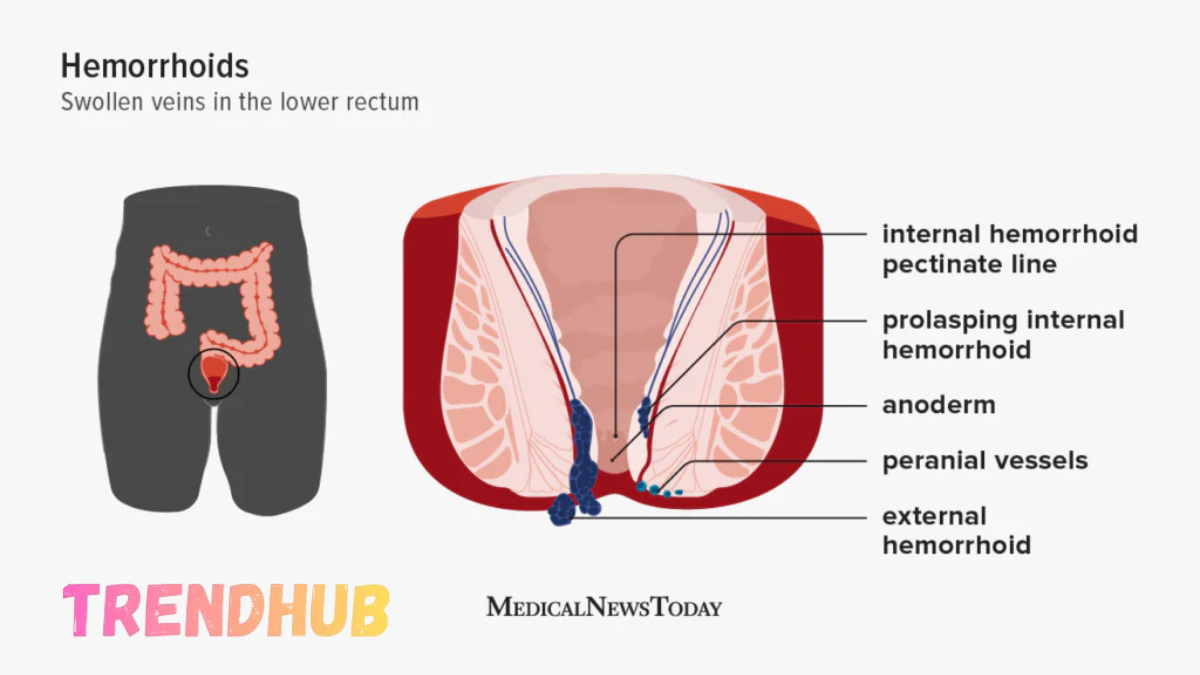
A perianal hematoma is essentially a localized collection of blood outside the blood vessels, situated near the anus. It develops when veins in the anal region rupture due to sudden pressure or strain. Unlike hemorrhoids, which involve swollen veins inside or outside the rectum, a perianal hematoma is a clot that forms under the skin. This distinction is important because the treatment strategies differ significantly.
The condition often presents as a bluish or purplish lump near the anal opening. It can range in size from small pea‑like swellings to larger, more painful lumps. While hemorrhoids may cause bleeding during bowel movements, perianal hematomas typically do not bleed but are associated with sharp pain and swelling. Recognizing these differences helps avoid misdiagnosis and ensures proper care.
Causes and Risk Factors
Perianal hematomas usually occur due to sudden increases in pressure within the anal veins. Straining during bowel movements is one of the most common causes, especially in individuals with chronic constipation. Heavy lifting, coughing, or even sneezing can also trigger the rupture of delicate blood vessels.
Other risk factors include pregnancy and childbirth, where increased abdominal pressure can lead to vascular strain. Sedentary lifestyles, poor dietary habits, and obesity further contribute to the likelihood of developing perianal hematomas. People who frequently engage in activities that involve sudden exertion, such as weightlifting, are also at higher risk. Understanding these triggers is essential for prevention.
Signs and Symptoms

The hallmark symptom of a perianal hematoma is the sudden appearance of a painful lump near the anus. The lump is usually tender to touch and may cause discomfort while sitting, walking, or passing stool. Swelling and bluish discoloration are common, giving the lump a distinct appearance.
Unlike hemorrhoids, perianal hematomas rarely cause bleeding. However, the pain can be intense, especially in larger hematomas. Some individuals may experience itching or irritation, but the primary complaint remains localized pain. Recognizing these symptoms early allows for timely intervention and reduces the risk of complications.
Diagnosis
Diagnosis of perianal hematoma is primarily clinical, based on physical examination. A healthcare provider can usually identify the condition by observing the lump and assessing its characteristics. Misdiagnosis is common, as many patients assume they have hemorrhoids. However, the absence of bleeding and the presence of a firm, bluish lump often point toward a hematoma.
In rare cases, imaging or further tests may be required if the lump is unusually large or if there is suspicion of other underlying conditions. Accurate diagnosis ensures that patients receive the right treatment and avoid unnecessary procedures.
Treatment Options
Home Remedies
For small hematomas, conservative management is often sufficient. Applying cold compresses can reduce swelling and pain. Sitz baths, where the patient sits in warm water for 10–15 minutes, help relax the anal muscles and promote healing. Over‑the‑counter pain relievers may also provide relief.
Dietary adjustments play a crucial role in recovery. Increasing fiber intake and staying hydrated can ease bowel movements, reducing strain on the anal region. Avoiding prolonged sitting and heavy lifting during recovery further supports healing.
Medical Treatments
In cases where the hematoma is large or extremely painful, medical intervention may be necessary. A minor surgical procedure to drain the clot can provide immediate relief. Surgical excision may be recommended for recurrent or severe cases. Doctors may also prescribe medications to manage pain and inflammation.
Prevention Strategies
Preventing perianal hematomas involves adopting healthy lifestyle habits. Maintaining regular bowel movements through a fiber‑rich diet and adequate hydration is key. Avoiding excessive straining during defecation reduces the risk of vascular rupture.
Regular exercise improves circulation and strengthens the body, lowering the likelihood of hematomas. Practicing proper lifting techniques and avoiding sudden exertion also helps. Pregnant women should take extra care to manage constipation and reduce pressure on the anal veins.
Complications and When to Seek Medical Help
While most perianal hematomas resolve on their own, complications can arise if left untreated. Infection is a potential risk, especially if the lump ruptures. Persistent pain or swelling may indicate the need for medical intervention.
Patients should seek immediate medical attention if the lump grows rapidly, becomes excessively painful, or shows signs of infection such as redness and pus. Early treatment prevents complications and ensures faster recovery.
Conclusion
Perianal hematoma is a painful but manageable condition. By understanding its causes, symptoms, and treatment options, individuals can take proactive steps to prevent and manage it effectively. Early recognition and proper care are essential for recovery. Consulting a healthcare provider ensures accurate diagnosis and appropriate treatment, reducing discomfort and preventing recurrence.
FAQs
Is a perianal hematoma the same as hemorrhoids?
No, they differ in cause and treatment.
Can perianal hematomas heal on their own?
Yes, small ones often resolve naturally.
How long does recovery usually take?
Most cases heal within 1–2 weeks.
Are there any long‑term complications?
Rare, but recurrence is possible.
What lifestyle changes can help prevent recurrence?
High‑fiber diet, hydration, and regular exercise.
Is surgery always required for treatment?
No, only in severe or recurrent cases.
Can perianal hematomas occur during pregnancy?
Yes, due to increased abdominal pressure.
What foods should I avoid if I have a perianal hematoma?
Low‑fiber foods that worsen constipation.
Next Read: scientology celebrities