Introduction
how long is the nile river The Nile River has captivated explorers, historians, and geographers for centuries. Stretching across multiple countries in Africa, it is often referred to as the lifeline of civilizations. The question “How long is the Nile River?” is not just about numbers—it is about understanding the scale of a natural wonder that has shaped human history. Measuring rivers is complex, and the Nile’s length has been debated due to its many tributaries and seasonal variations. Yet, its significance remains undisputed, making it a subject of fascination for both scholars and travelers how long is the nile river.
The Exact Length of the Nile River
The Nile River is approximately 6,650 kilometers (4,130 miles) long, making it one of the longest rivers in the world. For decades, geographers debated whether the Amazon or the Nile holds the title of the longest river. While the Amazon surpasses the Nile in water volume, the Nile’s length remains unmatched in most measurements. Determining river length is not straightforward; it depends on identifying the true source and measuring every curve and tributary. Advances in satellite mapping have helped refine these measurements, but debates continue among scientists how long is the nile river.
Comparisons with other rivers highlight the Nile’s grandeur. The Yangtze in China measures about 6,300 kilometers, while the Mississippi-Missouri system in North America stretches around 6,275 kilometers. Despite these close contenders, the Nile’s reach across eleven countries makes it unique. Its length is not just a statistic—it represents thousands of years of human reliance on its waters for agriculture, trade, and survival how long is the nile river.
Geography and Course of the Nile
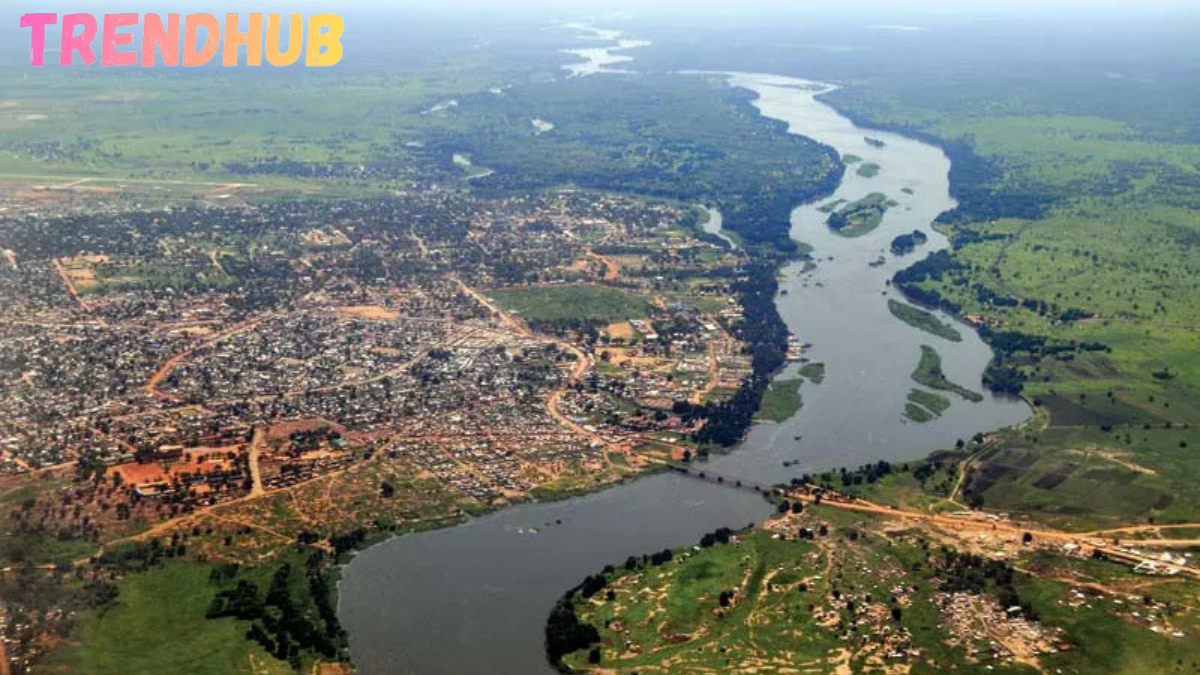
how long is the nile river The Nile originates from two primary tributaries: the White Nile, which begins near Lake Victoria in East Africa, and the Blue Nile, which flows from the Ethiopian highlands. These two rivers converge in Sudan, forming the mighty Nile that flows northward into Egypt and eventually empties into the Mediterranean Sea. Along its journey, the river passes through countries such as Uganda, South Sudan, Sudan, and Egypt, touching millions of lives.
how long is the nile river course is dotted with major cities, including Khartoum and Cairo, which thrive because of its waters. Its tributaries and seasonal floods have historically determined settlement patterns, making fertile lands available for farming. The river’s geography is not just about its physical path—it is about the ecosystems, cultures, and economies that depend on it.
Historical and Cultural Importance
how long is the nile river is synonymous with Ancient Egypt, where it served as the foundation of one of the world’s greatest civilizations. Its annual floods deposited nutrient-rich silt along the banks, enabling agriculture in an otherwise arid region. Without the Nile, Egypt’s prosperity and monumental achievements, such as the pyramids, would not have been possible.
Beyond agriculture, how long is the nile river was a vital trade route, connecting regions and fostering cultural exchange. It also held spiritual significance, often appearing in myths and religious practices. Ancient Egyptians worshipped Hapi, the god of the Nile, and viewed the river as a divine gift. Even today, the Nile remains a symbol of life and continuity, celebrated in literature, art, and folklore.
Modern Significance of the Nile
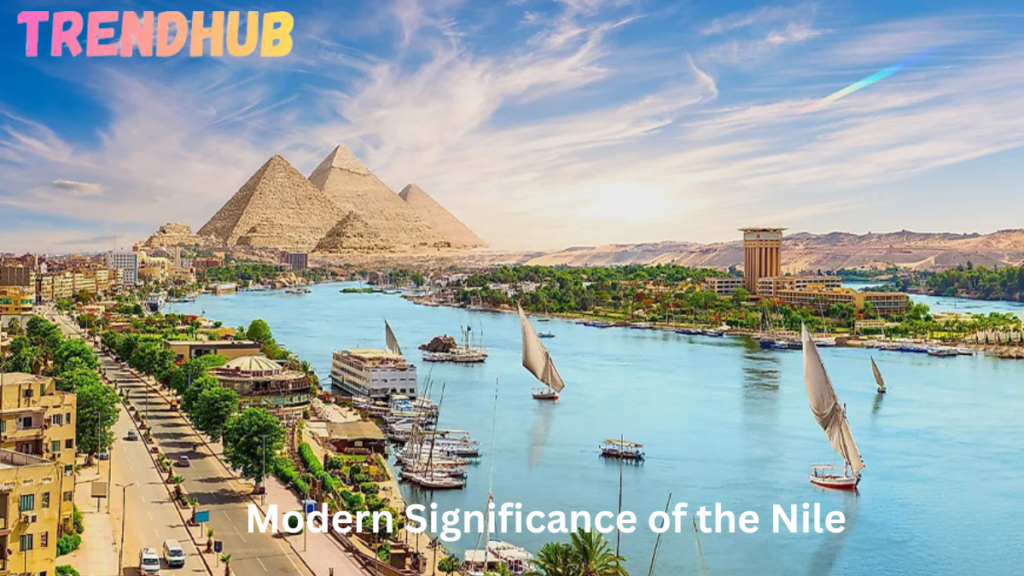
In the modern era, how long is the nile river continues to be a lifeline for millions. It supports agriculture, providing irrigation for crops in Egypt and Sudan. Hydroelectric projects, such as the Aswan High Dam, harness its power to generate electricity, though they also raise concerns about ecological balance. The river is a crucial source of drinking water, especially in regions where rainfall is scarce.
Tourism thrives along the Nile, with cruises offering views of ancient temples and modern cities. However, the river also faces challenges. Water rights disputes among countries, particularly over projects like Ethiopia’s Grand Renaissance Dam, highlight the political tensions surrounding its use. Climate change adds another layer of complexity, affecting rainfall patterns and water availability.
Environmental and Ecological Aspects
The Nile supports diverse ecosystems, from wetlands to deserts. Its waters sustain fish species, migratory birds, and plant life. Seasonal flooding once played a vital role in maintaining ecological balance, though dams have altered these natural rhythms. Pollution, deforestation, and urbanization pose threats to the river’s health, impacting both wildlife and human communities.
Conservation efforts are underway, with international organizations and governments working to protect the Nile’s biodiversity. Sustainable management is essential to ensure that future generations can benefit from its resources. The river is not just a geographical feature—it is a living system that requires care and respect.
Conclusion
The Nile River, stretching over 6,650 kilometers, is more than just the world’s longest river. It is a cradle of civilization, a source of life, and a symbol of resilience. From ancient Egypt to modern Africa, the Nile has shaped history and continues to influence the present. Preserving its waters and ecosystems is vital, not only for the countries it flows through but for humanity as a whole.
FAQs
How long is the Nile River in miles and kilometers?
The Nile is about 6,650 km (4,130 miles) long.
Which river is longer: the Nile or the Amazon?
The Nile is longer, but the Amazon has greater water volume.
Where does the Nile River start and end?
It starts from the White Nile near Lake Victoria and the Blue Nile in Ethiopia, ending in the Mediterranean Sea.
Why is the Nile River important to Egypt?
It provides water, fertile soil, and has historically sustained Egyptian civilization.
What are the main tributaries of the Nile?
The White Nile and Blue Nile are its two major tributaries.
Can you travel the entire length of the Nile River?
While possible, political and environmental challenges make it difficult.
What wildlife lives in and around the Nile?
Fish, crocodiles, migratory birds, and diverse plant species thrive along its banks.
How has climate change affected the Nile River?
It has altered rainfall patterns, impacting water flow and agriculture.
What major dams are built on the Nile?
The Aswan High Dam in Egypt and the Grand Renaissance Dam in Ethiopia are notable examples.
Is the Nile River navigable today?
Yes, in many sections, especially in Egypt, where cruises are popular.
Next Read: are banks open on new year’s eve