Introduction
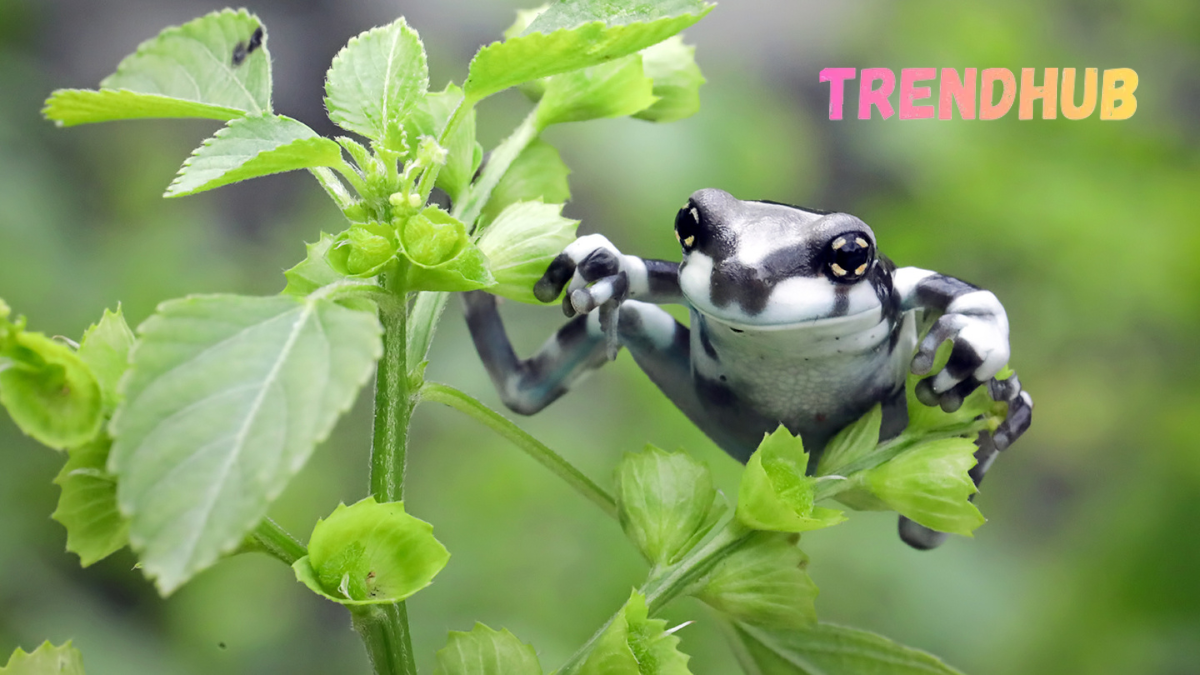
The Amazon Milk Frog, also known as Trachycephalus resinifictrix, is a fascinating amphibian native to the lush rainforests of South America. Its striking appearance, with a creamy white body patterned by shades of brown and blue, makes it one of the most sought‑after exotic pets among frog enthusiasts. Beyond its beauty, the Amazon Milk Frog is admired for its docile temperament and relatively easy care requirements compared to other amphibians.
In the wild, these frogs thrive in humid, tropical environments, often found clinging to tree branches near water sources. Their nickname “milk frog” comes from the milky secretion they produce when threatened, a natural defense mechanism. For pet owners, understanding their unique needs is essential to ensure they live long, healthy lives in captivity. This guide explores everything from housing and diet to breeding and conservation, offering a complete roadmap for responsible ownership.
Amazon Milk Frog Overview
The Amazon Milk Frog belongs to the Hylidae family and is native to the Amazon Basin. Its scientific name reflects its resin‑like secretion, which serves as a protective barrier against predators. These frogs are medium‑sized, typically reaching 2.5 to 4 inches in length, with females often larger than males. Their coloration is not only beautiful but also helps them camouflage in the dense foliage of their natural habitat.
Behaviorally, Amazon Milk Frogs are nocturnal, meaning they are most active at night. They are generally calm and non‑aggressive, making them suitable for beginner amphibian keepers. However, they are best admired rather than handled frequently, as their skin is sensitive and prolonged contact can cause stress. In the wild, they live high in the canopy, relying on humidity and water sources to survive. Understanding these natural behaviors helps replicate their environment in captivity.
Housing & Habitat Setup
Creating the right enclosure is vital for Amazon Milk Frogs. A vertical terrarium is recommended, as these frogs are arboreal and prefer climbing. A 20‑gallon tank can house a small group, but larger enclosures are always better. The tank should include branches, cork bark, and live plants to mimic their rainforest environment.
Temperature should be maintained between 75–80°F during the day, with a slight drop at night. Humidity is crucial, ideally kept at 60–80%, achieved through misting and the use of a water dish. Lighting should include a low‑intensity UVB bulb, which supports calcium metabolism and overall health. Substrate options include coconut fiber or sphagnum moss, which retain moisture well. A bioactive setup with live plants and microfauna can create a self‑sustaining ecosystem, reducing maintenance and improving frog health.
Safety is equally important. Avoid sharp decorations or toxic plants, and ensure the enclosure is escape‑proof. Proper ventilation prevents mold growth, while regular cleaning maintains hygiene. By replicating their natural rainforest habitat, owners can provide a comfortable and stress‑free environment.
Diet & Feeding

In the wild, Amazon Milk Frogs feed primarily on insects. In captivity, their diet should consist of crickets, roaches, and other appropriately sized insects. Variety is key, as it ensures balanced nutrition. Supplementing with calcium and vitamin powders is essential to prevent deficiencies, especially metabolic bone disease.
Feeding schedules depend on age. Juveniles require daily feeding, while adults can be fed every other day. Portion sizes should be appropriate to avoid obesity, a common issue in captive frogs. Uneaten food should be removed promptly to maintain cleanliness.
Owners should avoid feeding wild‑caught insects, as they may carry parasites or pesticides. Instead, purchase feeder insects from reputable sources. Occasional treats like waxworms can be offered, but moderation is important. By providing a varied and nutrient‑rich diet, Amazon Milk Frogs can thrive in captivity.
Care & Maintenance
Daily care involves monitoring temperature, humidity, and water cleanliness. Misting the enclosure helps maintain humidity, while fresh water should be provided at all times. Weekly tasks include cleaning the substrate and checking for mold or waste buildup. Monthly deep cleans ensure the enclosure remains safe and hygienic.
Handling should be minimized, as frogs absorb substances through their skin. If handling is necessary, clean hands thoroughly and keep sessions brief. Stress can weaken their immune system, making them more susceptible to illness. Observing their behavior is crucial; lethargy, refusal to eat, or unusual skin changes may indicate health issues.
By following a consistent care routine, owners can ensure their Amazon Milk Frogs remain healthy and active. Responsible maintenance not only benefits the frogs but also enhances the enjoyment of keeping them as pets.
Health & Lifespan
Amazon Milk Frogs typically live 8–10 years in captivity when cared for properly. Common health issues include fungal infections, parasites, and obesity. Preventive care, such as maintaining proper humidity and providing a balanced diet, reduces the risk of illness.
Regular veterinary checkups are recommended, especially if the frog shows signs of distress. Symptoms like weight loss, cloudy eyes, or abnormal skin texture should be addressed promptly. With attentive care, these frogs can live long, fulfilling lives, bringing joy to their owners.
Breeding & Reproduction
Breeding Amazon Milk Frogs requires replicating rainy season conditions. Increased humidity and the presence of water sources encourage mating behavior. Males call to attract females, and eggs are typically laid on leaves overhanging water. Once hatched, tadpoles drop into the water, where they develop into froglets.
Raising tadpoles requires careful attention to water quality and diet. They feed on algae and specialized tadpole food before transitioning to insects. Breeding can be rewarding but also challenging, requiring patience and dedication. Ethical considerations are important, as breeding should prioritize the health of the frogs and avoid overpopulation.
Fun Facts & Conservation
Amazon Milk Frogs produce a milky secretion when threatened, giving them their name. They are also known for their loud vocalizations, especially during mating season. Despite their popularity in the pet trade, they are not currently endangered, though habitat loss poses a threat.
Conservation efforts focus on preserving the Amazon rainforest, which is vital for their survival. Responsible pet ownership plays a role in conservation, ensuring captive frogs are bred ethically and not taken from the wild. By appreciating their uniqueness, owners contribute to awareness and protection of these remarkable amphibians.
Conclusion
The Amazon Milk Frog is a captivating species that combines beauty with manageable care requirements. From their striking appearance to their fascinating behaviors, they offer endless enjoyment for responsible owners. By providing proper housing, diet, and care, enthusiasts can ensure these frogs live long, healthy lives. Ultimately, keeping Amazon Milk Frogs is not just about owning a pet—it’s about respecting and preserving a piece of the Amazon rainforest.
FAQs
Are Amazon Milk Frogs poisonous?
They produce a milky secretion, but it is not harmful to humans.
How big do Amazon Milk Frogs get?
Adults reach 2.5–4 inches in length.
Can Amazon Milk Frogs live with other frog species?
It is not recommended due to differing care needs.
Do Amazon Milk Frogs require UVB lighting?
Yes, low‑intensity UVB supports calcium metabolism.
How often should I feed my Amazon Milk Frog?
Juveniles daily, adults every other day.
What is the average cost of an Amazon Milk Frog?
Prices range from $40–$80 depending on age and source.
Can children safely handle Amazon Milk Frogs?
Handling should be minimized; frogs are best observed.
Do Amazon Milk Frogs make noise at night?
Yes, males vocalize, especially during breeding season.
What is the ideal humidity level for their enclosure?
Between 60–80% for optimal health.
How long does it take for tadpoles to become frogs?
Typically 6–8 weeks, depending on conditions.
Read Next: heidi gardner movies and tv shows