What Are the Countries in the Middle East?
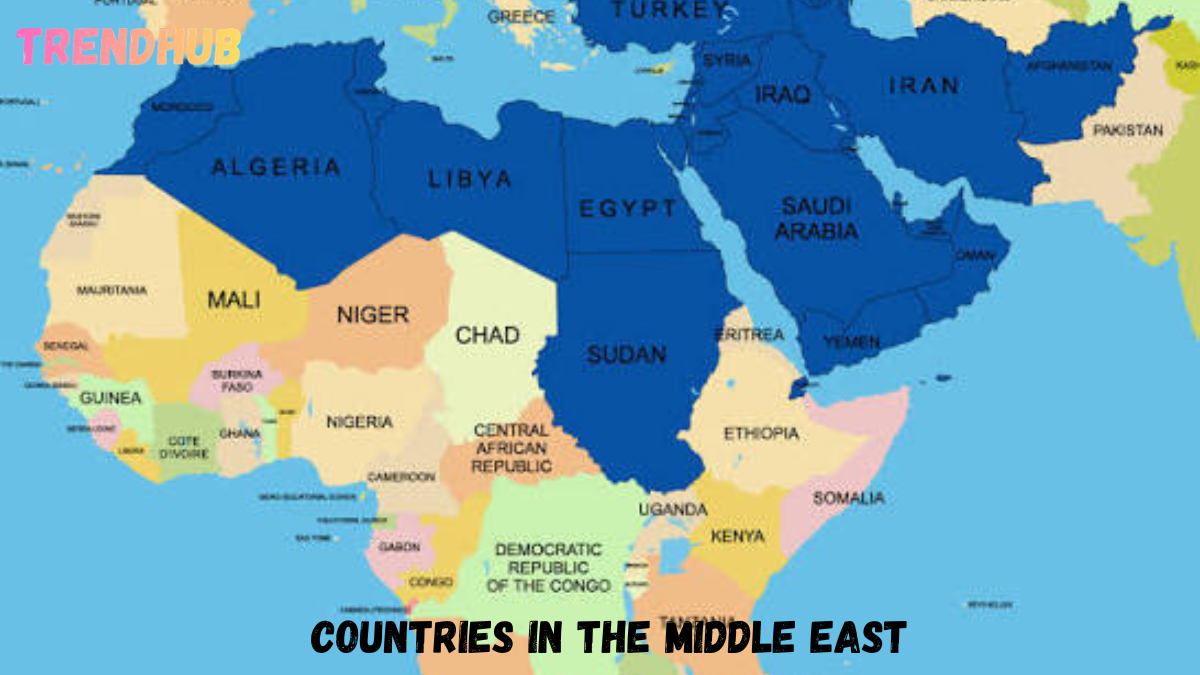
The countries in the Middle East encompass a rich tapestry of cultures, languages, and histories. This region, often defined as including Southwest Asia and the Arabian Peninsula, typically features nations such as Saudi Arabia, Iran, Iraq, Turkey, and Egypt. Smaller nations like Bahrain, Kuwait, and the United Arab Emirates also play significant roles in this area.
Geographical Overview of the Middle Eastern Countries
The geographical landscape of the Middle East is diverse, ranging from deserts to mountains and fertile valleys. The Arabian Peninsula nations, including Saudi Arabia and the United Arab Emirates, are primarily desert regions, while the Levant countries like Jordan, Lebanon, and Syria boast mountainous terrains. Turkey, which straddles both Europe and Asia, adds to this geographic complexity, serving as a bridge between continents and connecting various countries in the Middle East.
Cultural Diversity in the Middle East
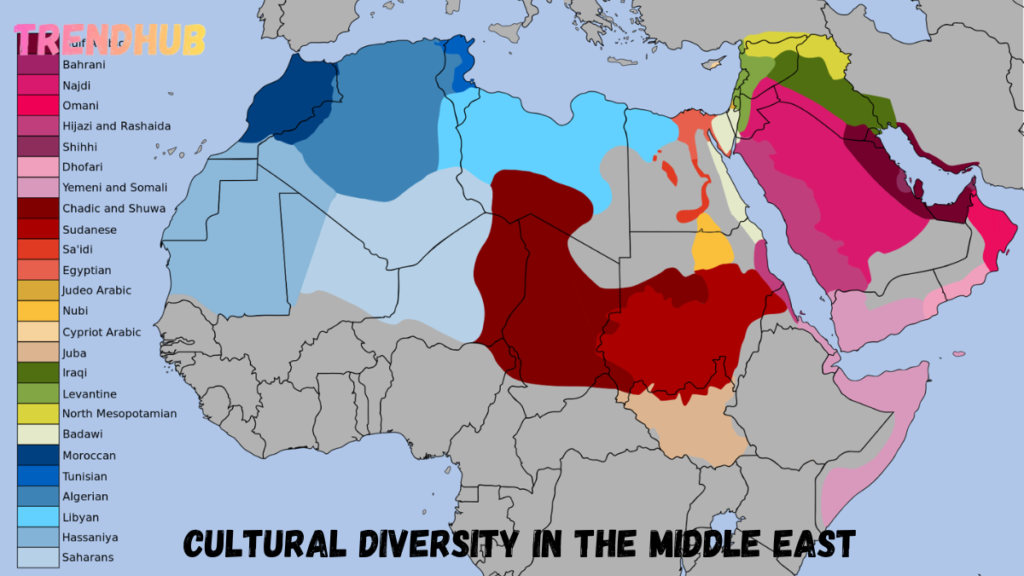
Cultural diversity in the Middle East stems from its historical significance as a crossroads of civilizations. Various ethnic groups, including Arabs, Kurds, Turks, Persians, and Azeris, contribute to the region’s rich cultural heritage. Each country exhibits distinct traditions, languages, and cuisines. For instance, while Arabic is the predominant language across many Arabian Peninsula nations, Persian is primarily spoken in Iran. This cultural richness is a defining characteristic of the countries in the Middle East.
Population Statistics of Middle Eastern Countries
The three most populous countries in the Middle East are Egypt, Iran, and Turkey. Together, these nations account for a significant portion of the region’s population. Egypt, with its historical significance and cultural landmarks, has a population exceeding 100 million, making it a key player in Middle Eastern dynamics.
Economic Overview of the Middle East
The economic landscape of the Middle East is varied, heavily influenced by natural resources. Countries like Saudi Arabia and the United Arab Emirates have wealth derived from oil reserves, whereas nations like Jordan and Lebanon face economic challenges. The economic activities range from oil production to agriculture, impacting each country’s development and international relations.
Middle Eastern Capitals
Each country in the Middle East has a unique capital that often reflects its history and culture. For instance, Cairo is Egypt’s vibrant capital, known for its historical landmarks like the Pyramids and the Sphinx. Other capitals, such as Tehran in Iran and Ankara in Turkey, also carry significant political and cultural weight in the region.
Conflict Zones in the Middle East
The Middle East has been marked by various conflict zones that have influenced global politics. Regions like Iraq and Syria have experienced significant turmoil due to civil wars and external interventions. Understanding the historical context of these conflicts is crucial for grasping the current geopolitical climate.
Turkey’s Role in the Middle East
Turkey plays a strategic role in the Middle East due to its geographical position and historical ties. As a NATO member, Turkey has engaged in various diplomatic and military actions affecting regional stability. Its relationships with neighboring countries, particularly Iran and Iraq, are pivotal in shaping Middle Eastern dynamics.
Natural Resources in the Middle East
The Middle East is rich in natural resources, predominantly oil and natural gas. Countries like Saudi Arabia and Qatar are among the world’s leading producers, which heavily influences their economies and global standing. This abundance of resources has spurred both economic growth and geopolitical tensions within the region.
Frequently Asked Questions
What countries are considered the Middle East?
The countries in the Middle East typically include Saudi Arabia, Iran, Iraq, Turkey, Egypt, Kuwait, the United Arab Emirates, Bahrain, Qatar, Oman, Jordan, Lebanon, Syria, and Israel.
How many countries are in the Middle East?
There are approximately 15 to 20 countries generally considered part of the Middle East, depending on varying definitions of the region.
What continent is the Middle East on?
The Middle East is primarily located on the continent of Asia, although parts of it, such as Turkey, extend into Europe.
What are the main languages spoken in the Middle Eastern countries?
The primary language spoken in many Middle Eastern countries is Arabic. Other significant languages include Persian in Iran and Turkish in Turkey.
What are some historical landmarks in the Middle East?
Historical landmarks in the Middle East include the Pyramids of Giza in Egypt, Petra in Jordan, and the ancient city of Babylon in Iraq.
What is the impact of the Arab Spring on Middle Eastern countries?
The Arab Spring significantly impacted many Middle Eastern countries by leading to uprisings and changes in governments, particularly in Tunisia, Egypt, and Libya.
The countries in the Middle East present a unique blend of cultures, histories, and economic opportunities. Understanding their diverse backgrounds can provide valuable insights into the region’s current affairs and future developments. The various countries in the Middle East also offer a wealth of experiences for travelers and researchers alike countries in the middle east.
Next Read: psychology today find a therapist